Are you a busy gamer juggling work and family, yet craving that seamless cloud gaming experience? This comprehensive guide on how to fix cloud gaming issues is for you. Dive into practical, actionable tips designed to eliminate lag, optimize performance, and troubleshoot common setup headaches. We understand your time is precious, so we've packed this resource with straightforward solutions for improving connection stability, choosing the right service, and fine-tuning your settings. Whether you're struggling with input delay on a new release or buffering during a social gaming session, learn how to transform your cloud gaming frustrations into pure fun. Discover expert advice on networking, hardware, and software adjustments that truly make a difference, ensuring your valuable gaming hours are spent playing, not troubleshooting. Master the art of smooth cloud gaming and reclaim your relaxation time with friends and family. This article is your ultimate resource for a flawless cloud gaming journey, ensuring every session is enjoyable and stress-free.
Related games- Guide to GTA 5 Player Characters Maximizing Gameplay
- How to Download Steam for MacBook A Gamer's Guide
- GTA 6 Gameplay: 7 Early Revelations Fans Are Discussing
- Guide to itzsavvy14 Roblox How to Find and Connect
- Guide How To Find New Roblox Promocodes 2026 Fast
How do I fix cloud gaming lag and improve overall performance?
To fix cloud gaming lag, start by ensuring you use a wired Ethernet connection to your router instead of Wi-Fi. Optimize your internet speed by upgrading your plan or reducing network congestion from other devices. Position your router optimally, consider a Wi-Fi 6 upgrade, and enable QoS for gaming. Reducing in-game stream quality and closing background apps on your local device also helps. These steps will significantly lower latency and improve your overall cloud gaming experience, letting you enjoy games without frustrating delays.
Why does my cloud gaming keep disconnecting or stuttering?
Frequent disconnections or stuttering in cloud gaming typically point to an unstable or insufficient internet connection. This can be due to high packet loss, inconsistent bandwidth, or severe Wi-Fi interference. To resolve this, ensure your internet speed meets the service's requirements, check for network congestion, and try restarting your modem and router. Using an Ethernet cable is paramount. If issues persist, test your internet connection for packet loss and contact your ISP if problems are on their end, ensuring a stable data flow for your games.
What are the best network settings to optimize cloud gaming?
Optimizing network settings for cloud gaming involves several key adjustments. Prioritize using an Ethernet connection for stability and lower latency. Ensure your router's firmware is up-to-date and consider a Wi-Fi 6/6E upgrade for better wireless performance. Enable Quality of Service (QoS) on your router to prioritize gaming traffic over other activities. Additionally, try using a public DNS server like Google DNS (8.8.8.8, 8.8.4.4) or Cloudflare (1.1.1.1, 1.0.0.1) as they can sometimes offer faster resolution times than your ISP's default servers, contributing to a smoother streaming experience.
Can changing my cloud gaming region reduce latency?
Yes, changing your cloud gaming region to one geographically closer to your physical location can dramatically reduce latency. Cloud gaming performance is heavily dependent on the physical distance data has to travel between your device and the game server. A shorter distance means lower ping and less input lag. Always select the server region closest to you within your cloud gaming service's settings, even if it's not the default option, to ensure the most responsive gameplay possible.
How do I minimize input delay in cloud gaming?
Minimizing input delay in cloud gaming requires a multi-pronged approach. First, use a wired Ethernet connection and a wired controller to eliminate wireless latency. Optimize your internet speed to ensure stable, fast data transfer. Reduce graphics quality or resolution settings within the cloud gaming client to decrease the amount of data that needs to be streamed. Finally, close all unnecessary background applications on your local device to free up resources for efficient video decoding, ensuring your actions are registered on the server as quickly as possible.
What local hardware factors can affect cloud gaming performance?
While cloud gaming offloads most processing, your local hardware still plays a role in decoding the streamed video and processing your inputs. An older or underpowered CPU/GPU on your local device might struggle to decode the high-quality video stream efficiently, leading to stuttering or dropped frames. Ensure your device's graphics drivers are up-to-date, use a modern web browser for browser-based services, and close background applications. A good monitor with a fast refresh rate can also help in perceiving smoother gameplay. Even small local hardware bottlenecks can disrupt an otherwise perfect cloud stream.
Are there specific cloud gaming services better for competitive play?
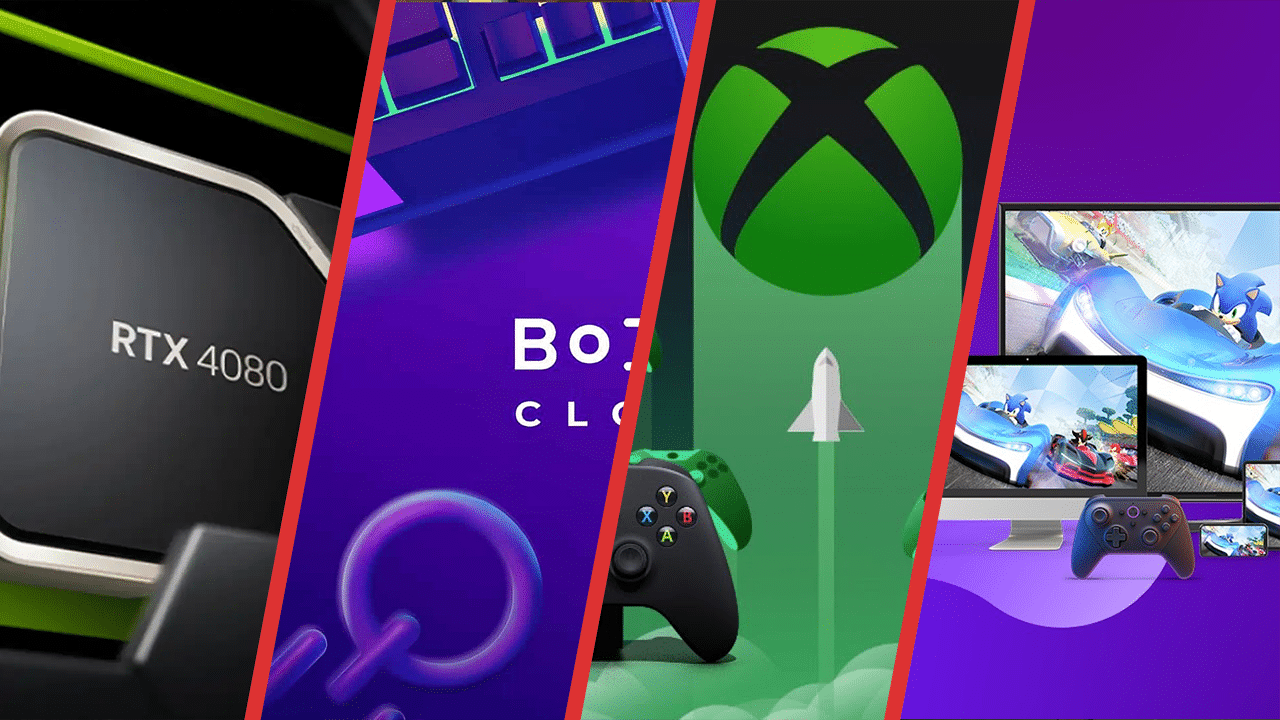
For competitive play, services that prioritize low latency and offer high frame rates are crucial. NVIDIA GeForce NOW often stands out due to its ability to connect to existing PC game libraries and provide dedicated server hardware, allowing for high frame rate streams and minimal input lag. Xbox Cloud Gaming and Amazon Luna are also continually improving. However, the best service ultimately depends on your geographical proximity to their data centers and your specific internet connection quality. Always check independent latency tests and try free trials for competitive titles to find the best fit for your specific needs, as milliseconds can make a difference.
Hey fellow gamers! Ever feel like your precious gaming time, squeezed between work, family, and life's daily grind, is being swallowed by frustrating cloud gaming issues? You're not alone. Many of us, especially those around age 36 who make up a significant portion of the gaming community, are looking for quick, reliable ways to unwind and have fun. Cloud gaming promises convenience, but when it's plagued by lag, pixelation, or dropped connections, it feels more like a chore than a cherished escape. We crave smooth performance, social interaction, and skill-building without the hassle of constant troubleshooting or expensive hardware upgrades.
Good news! You can absolutely conquer those cloud gaming frustrations and get back to enjoying your favorite titles. This guide is your no-nonsense resource on how to fix cloud gaming problems, designed specifically for busy adults who want practical solutions, not jargon. We'll dive into everything from optimizing your home network to tweaking in-game settings, ensuring you can maximize your valuable gaming hours. With 87% of US gamers regularly dedicating 10+ hours a week to their passion, often balancing mobile with PC/console cross-play, a reliable cloud experience is more vital than ever. Let's get you set up for success and make every gaming session count, whether you're diving into a cozy co-op game or battling it out in a competitive arena.
What is Cloud Gaming and Why Does it Lag?
Cloud gaming, in simple terms, is like Netflix for video games. Instead of running a game on your local console or PC, the game runs on powerful servers in a data center, and the video stream is sent to your device over the internet. You send your controller inputs back to the server, and the game reacts. This allows you to play high-end games on almost any device, from a smartphone to an old laptop, without needing powerful local hardware. The magic happens instantly, but it's heavily reliant on a stable, fast internet connection.
Lag, the bane of every gamer's existence, occurs because of the inherent distance and data transfer involved. Your inputs travel to the server, and the game's video stream travels back to you. Any delay in this round trip, known as latency, manifests as lag. Common culprits include slow internet speeds, high network congestion, distant servers, Wi-Fi interference, or even issues with your device's processing power. For many gamers, especially those balancing life and leisure, understanding these basics is the first step to a smoother experience.
How Can I Improve My Internet Connection for Cloud Gaming?
Your internet connection is the single most critical factor for a smooth cloud gaming experience. Think of it as the superhighway for your game data. A shaky connection is like trying to drive on a gravel road during rush hour. Here's how to fix cloud gaming by boosting your network:
- Use an Ethernet Cable: This is non-negotiable for serious cloud gaming. A wired connection eliminates Wi-Fi interference, providing a stable, faster, and lower-latency link to your router. If you're currently on Wi-Fi, switching to Ethernet can be a game-changer for reducing input delay.
- Upgrade Your Internet Plan: Most cloud services recommend at least 25-50 Mbps download speed. If your plan is lower, or if multiple family members are streaming 4K content, consider upgrading. In 2026, many US households have access to gigabit internet, which provides ample bandwidth.
- Optimize Your Router: Place your router centrally and away from obstructions. Consider upgrading to a modern Wi-Fi 6 or 6E router, especially if your current one is several years old. These offer better bandwidth management and reduced interference. Also, check your router's QoS (Quality of Service) settings to prioritize gaming traffic.
- Reduce Network Congestion: Pause or limit other heavy internet activities on your network during gaming sessions. This includes large downloads, 4K streaming on other devices, or video calls.
- Restart Your Modem and Router: A simple restart can often clear temporary glitches and improve performance. Do this routinely, perhaps once a week.
Which Cloud Gaming Service is Best for My Setup and Region?
Choosing the right cloud gaming service is crucial because server proximity directly impacts latency. Different services have different server locations and game libraries. For example, Xbox Cloud Gaming (xCloud), NVIDIA GeForce NOW, and Amazon Luna each have distinct infrastructure. It's like choosing a grocery store - you pick the one closest with the products you like.
- Check Server Locations: Most services provide maps or lists of their data centers. Choose a service with servers physically close to your location to minimize travel time for data.
- Consider Game Library: Do they offer the games you want to play? GeForce NOW works with your existing PC game libraries (Steam, Epic), while xCloud offers a Game Pass library. Luna integrates with Amazon Prime and specific channels.
- Test Trials: Many services offer free trials or introductory periods. Use these to test performance on your specific network and devices before committing. This month, many gamers are experimenting with free-to-play options on various platforms before committing to a subscription.
- Device Compatibility: Ensure the service supports your preferred gaming device, whether it's a mobile phone, tablet, smart TV, or PC. Mobile gaming continues to dominate engagement for many busy adults, making cross-play and mobile compatibility key.
How Do I Optimize In-Game and Client Settings for Performance?
Once your network is solid and you've picked a service, fine-tuning software settings can significantly enhance your experience, especially if you're trying to figure out how to fix cloud gaming visually. These adjustments can reduce the amount of data transmitted, leading to smoother gameplay.
- Reduce Stream Quality/Resolution: While 4K streaming is tempting, try lowering the resolution (e.g., from 1080p to 720p) or frame rate (e.g., from 60fps to 30fps) within the cloud gaming client settings. Less data means less work for your internet connection.
- Disable V-Sync/G-Sync (if applicable): Sometimes, these display technologies can introduce a slight input lag when used with cloud streaming. Experiment with turning them off in your local display settings.
- Close Background Applications: On your local device, close any unnecessary programs or browser tabs. These can consume CPU, GPU, and RAM, which might subtly impact the decoding of the video stream from the cloud server.
- Check Client-Specific Settings: Each cloud gaming client has unique settings. Explore options like 'bitrate preference', 'server region selection', or 'stream quality modes'. NVIDIA GeForce NOW, for instance, allows custom streaming settings that can be tailored to your connection speed.
What Role Does My Local Hardware Play in Cloud Gaming Performance?
While cloud gaming offloads the heavy lifting to remote servers, your local device still plays a role, especially in decoding the video stream. You don't need a beastly gaming rig, but some basic optimizations can make a difference in how to fix cloud gaming issues related to your endpoint.
- Update Graphics Drivers: Ensure your device's graphics drivers are up to date. Outdated drivers can lead to inefficient video decoding, causing stuttering or visual artifacts.
- Use a Modern Browser (for browser-based services): If you're playing through a web browser, use an up-to-date browser like Chrome or Edge, as they often have optimized video decoding capabilities.
- Consider Device Specs: While low-end devices can run cloud games, a slightly more powerful device with dedicated graphics (even entry-level) and a good processor can offer a smoother experience by efficiently decoding the video stream. This is especially true if you are gaming on an older laptop or a basic work computer.
- Wired Controller: Just like Ethernet for your internet, a wired controller can eliminate Bluetooth lag, ensuring your inputs reach the server as quickly as possible.
How Can I Troubleshoot Common Cloud Gaming Errors?
Even with everything optimized, errors can pop up. Knowing how to quickly troubleshoot can save you a lot of headache and get you back into the action, especially when balancing gaming with a busy schedule.
- Check Service Status: Before diving deep into your own setup, check the official status pages of your cloud gaming service. They might be experiencing outages or maintenance. A quick Google search for 'Xbox Cloud Gaming status' or 'GeForce NOW server status' is usually enough.
- Clear Browser Cache and Cookies: If playing via browser, corrupted cache or cookies can cause issues. Clear them and restart your browser.
- Reinstall Client App: For dedicated desktop or mobile apps, a fresh install can resolve corrupted files or configuration issues.
- Update Operating System: Ensure your operating system (Windows, macOS, Android, iOS) is fully updated. System updates often include network and video decoding improvements.
- Contact Support: If all else fails, reach out to the customer support for your cloud gaming service. Provide them with details of your setup, connection speed, and the specific error you're encountering.
Why is Social Gaming Important in the Cloud and How Do I Improve It?
For many adult gamers, gaming isn't just about solo adventures; it's a vital way to connect with friends, unwind, and build skills. Social gaming, especially with popular titles, is a huge trend, and cloud gaming can facilitate this by allowing friends on different devices to play together. Discord remains a popular hub for communication.
- Stable Voice Chat: Ensure your internet connection is robust enough to handle both game streaming and voice chat without stuttering. Prioritize voice chat traffic in your router's QoS settings if possible.
- Cross-Platform Play: Leverage games that offer cross-platform play, allowing you to connect with friends regardless of their local hardware. Many modern cloud gaming services excel at this.
- Organize Game Sessions: Use tools like Discord to coordinate gaming sessions. It allows for quick communication and easy setup, vital for those with limited, scheduled gaming time.
- Explore Cozy Co-op Games: Look into trending social and cozy co-op games that are often less graphically demanding and can run smoothly on cloud platforms, making for great low-stress social experiences.
Can Cloud Gaming Save Me Money on Hardware?
Absolutely! One of the biggest benefits of cloud gaming for budget-conscious gamers is the potential to save significant money on expensive hardware. Instead of shelling out hundreds or thousands for a gaming PC or the latest console, you pay a monthly subscription fee.
- No Expensive Upgrades: You don't need to worry about upgrading your graphics card every few years to play the latest titles. The cloud provider handles all the hardware refreshes.
- Utilize Existing Devices: Play on your current laptop, tablet, or smartphone. This is perfect for those who want to game without a huge upfront investment.
- Consider Free-to-Play Titles: Many cloud services offer access to popular free-to-play games, allowing you to enjoy a vast library without additional purchases, complementing your subscription.
- Value for Money: For a monthly fee similar to a streaming service, you get access to a massive library of games. This provides excellent value for gamers who balance multiple financial commitments.
There you have it! With these tips on how to fix cloud gaming issues, you're now equipped to tackle most performance roadblocks and enjoy your games the way they're meant to be played. Remember, a little tweaking can go a long way in turning a frustrating experience into a fantastic one. Cloud gaming, when optimized, truly delivers on its promise of accessible, high-quality gaming for everyone, fitting perfectly into the lives of busy adults who value their leisure time.
What's your biggest cloud gaming challenge? Comment below! Let's help each other build the ultimate smooth gaming setups.
FAQ Section
Q: Why is my cloud gaming stream blurry? A: Blurry cloud gaming streams are usually caused by an unstable or insufficient internet connection. The service lowers the stream quality to maintain a connection, resulting in a pixelated image. Try using an Ethernet cable, reducing network congestion, or checking your service's recommended bandwidth.
Q: Does Wi-Fi 6 improve cloud gaming? A: Yes, Wi-Fi 6 can significantly improve cloud gaming, especially in congested network environments. It offers better efficiency, lower latency, and higher throughput compared to older Wi-Fi standards, making your wireless connection more stable and reliable for streaming games.
Q: How far away should I be from cloud gaming servers? A: Ideally, you should be within a few hundred miles (roughly 300-500 miles or 500-800 kilometers) of the cloud gaming server. The closer you are, the lower your ping and input latency will be, leading to a much smoother and more responsive gaming experience.
Q: Can a VPN help fix cloud gaming lag? A: In most cases, a VPN will *increase* latency because it adds another step for your data to travel through. However, if your ISP is throttling your connection or routing traffic inefficiently, a VPN might *occasionally* improve performance by bypassing those bottlenecks. It's rare but possible. Test it if other solutions fail.
Q: What are the best settings for cloud gaming on my phone? A: On your phone, prioritize a strong Wi-Fi 6 connection or 5G if available and stable. Use a wired controller if possible. Within the cloud gaming app, choose the lowest resolution and frame rate settings first, then gradually increase them until you find a balance between visual quality and performance.
Q: Is 50 Mbps good enough for cloud gaming? A: Yes, 50 Mbps is generally considered a good minimum speed for cloud gaming, especially for 1080p resolution at 30-60 frames per second. However, consistent bandwidth and low latency are more critical than just raw speed. For 4K streams or multiple users, higher speeds are beneficial.
Fix cloud gaming lag, optimize performance, troubleshoot setup, improve connection, choose right service, fine-tune settings, reduce input delay, avoid buffering, network optimization, hardware tips, software adjustments, seamless experience.
35


Xbox Cloud Gaming Kommt 2026 Auf Hisense Smart TVs Xcg S1.webp. HOW TO FIX XBOX FROM CLOUD GAMING SESSION 2026 EASY FIX . Cloud Gaming Latency In 2026 Is It Finally Good Cloud Gaming Latency In 2026 .webp. New 2026 Wi Fi Xbox Controller Leak Hints At Microsoft S Next Big Cloud 7d286264 2f15 431a A321 . Cloud Gaming Is The FUTURE GeForce NOW Xcloud Launch In India 2026



How To Connect Xbox Controller To PC Gaming ProMax Xbox Cloud Gaming 1 1. How To Optimize Your Network For Cloud Gaming Cloud Loadout Optimize Network For Cloud Gaming . How To Change Audio Input And Output Devices In Xbox Game Bar Xbox Cloud Gaming 1. How To Fix Fortnite Mobile Lag 2026 FPS Boost Guide For Android Hub Gemini Generated Image 3 1024x572 . 9 Best AR Glasses For Cloud Gaming July 2026 Best AR Glasses For Cloud Gaming
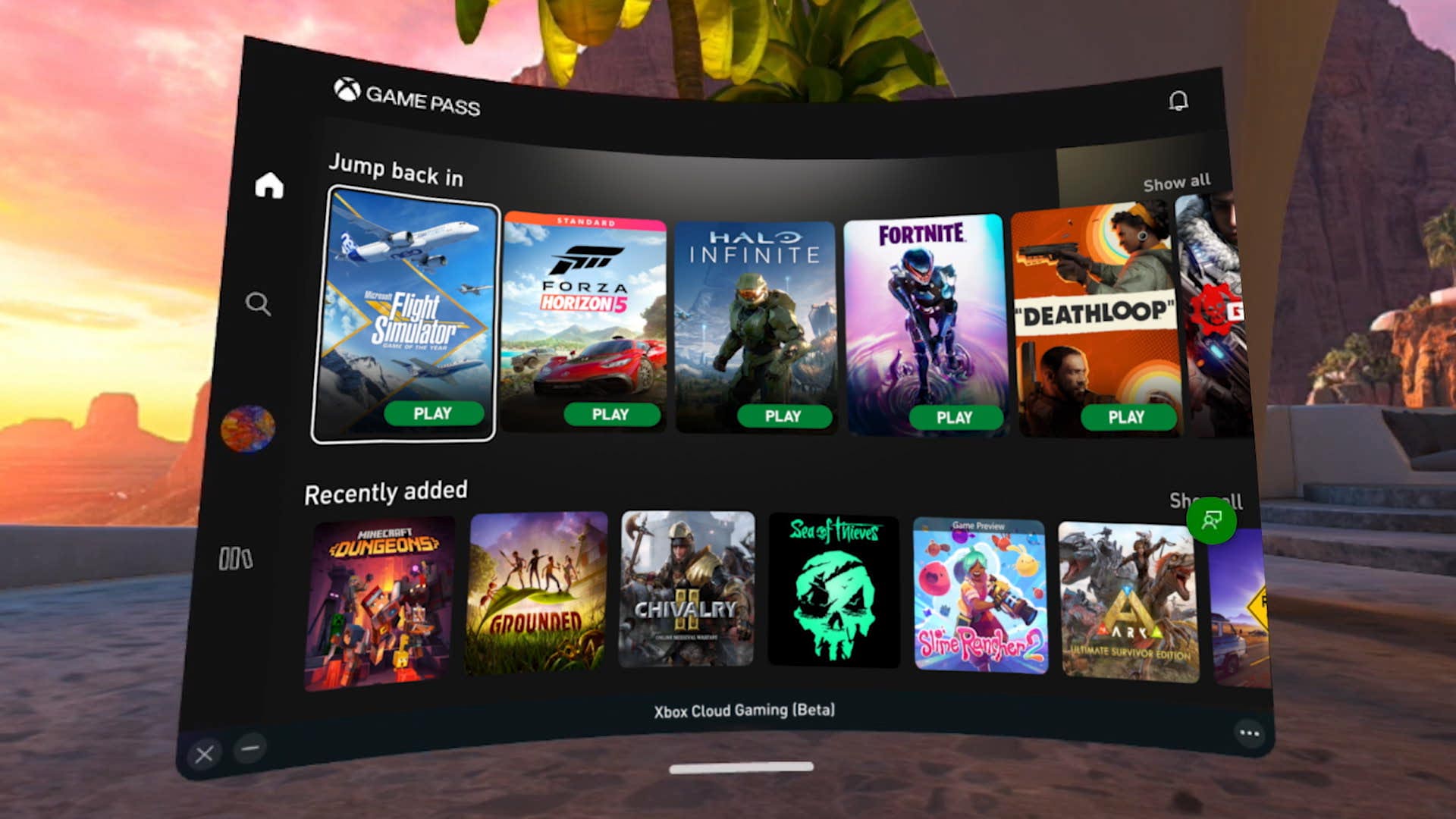
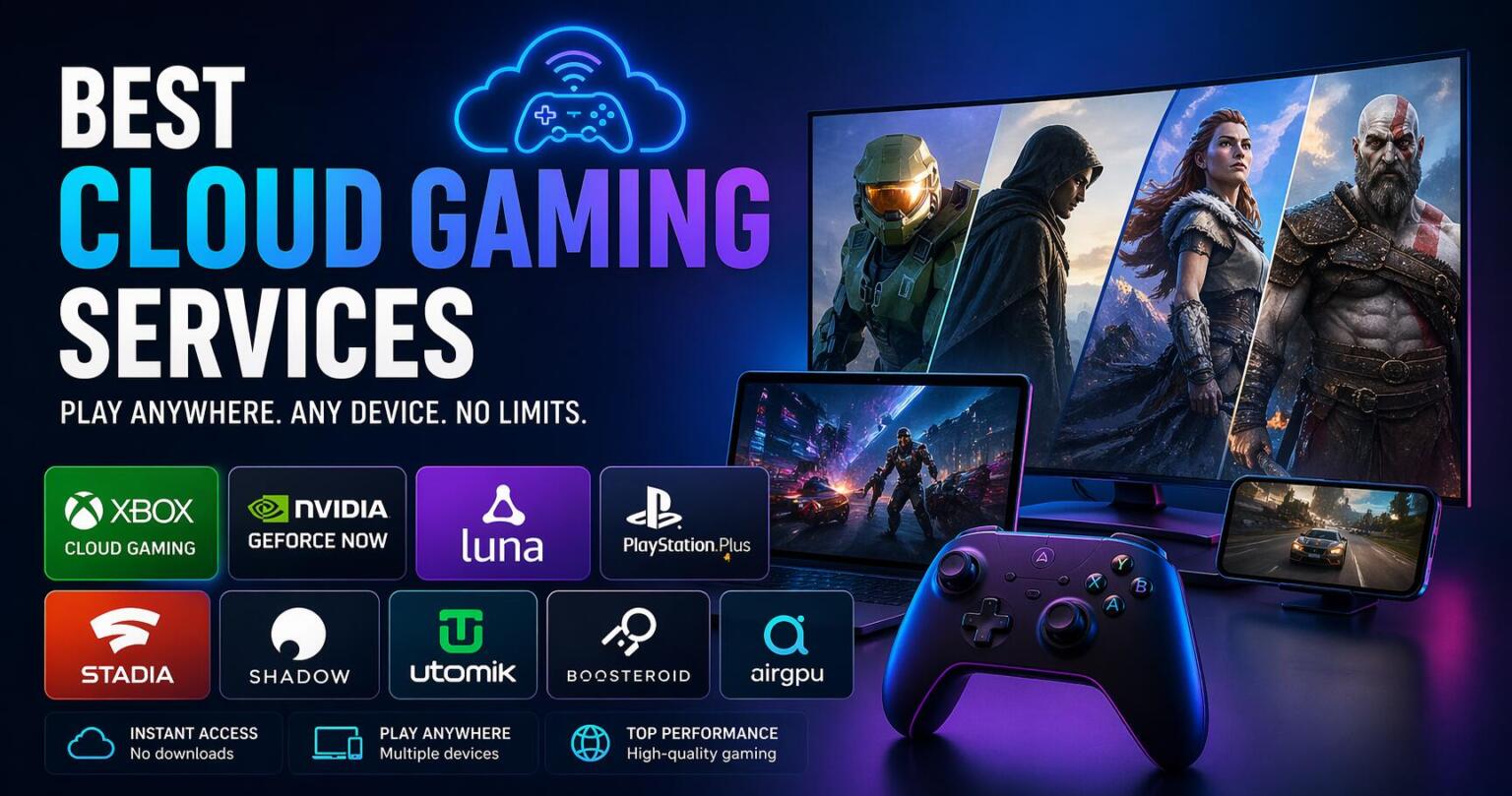

Cloud Gaming Linux How To Play Any Game On Linux 2026 Best Cloud Gaming Controller . Guide Optimize Gaming Laptop For Cloud Gaming 2026 How To Optimize A Gaming Laptop For 144 Hz Thumbnail. Xbox Cloud Gaming Is It Changing How We Play Forever Xbox Cloud Gaming Menu . Beste Cloud Gaming Dienste Im Vergleich 2026 Best Cloud Gaming Services 2 1536x809 . How To Fix Xbox Cloud Gaming Not Working How To Windows



How To FIX Cloud Gaming On Mobile 2025 YouTube . Legjobb Cloud Gaming Szolg Ltat Sok 2026 Best Cloud Gaming Services . How To Fix Xbox Cloud Gaming Not Working 2024 YouTube . How To Fix And Solve Xbox App Cloud Gaming Lag Final Solution YouTube . Newtibia Com Gateway To Gaming News Guides And Community How Can You Test Your Cloud Gaming Latency Before Fixing It


Cloud Gaming 2026 Future Of Gaming Lag Free Play Cloud Gaming 2026 . How To Fix Xbox Cloud Gaming Not Working On PC YouTube . How To Fix Xbox Cloud Gaming From Cloud Gaming Session . How To Fix Xbox From Cloud Gaming Session YouTube . How To Fix Xbox Cloud Gaming Not Loading YouTube

Cloud Gaming Explained The End Of Consoles TOOLYATRI COM Cloud Gaming 1.webp. The Evolution Of Gaming In The Cloud Download 40 2 . Xbox Cloud Gaming Is It Changing How We Play Forever Xbox Game Pass Rompera Records En 2026 Con 75 Juegos De Lanzamiento Dia Uno 1 . How Much Data Does Cloud Gaming Use Per Hour 2026 Best Cloud Gaming Services . Complete Guide To Cloud Gaming Services In 2026 All Your Options



Cloud Gaming Linux How To Play Any Game On Linux 2026 Airgpu Cloud Gaming . Xbox Cloud Gaming Comes To Game Pass Core And Standard Xbox Cloud Gaming . Xbox Cloud Gaming Not Working How To Fix More Wait Time In Cloud . How To Fix HyperX Cloud Flight S Game Not Working Audio Output Game . How To FIX Cloud Gaming Lag On XBOX 2025 Step By Step YouTube